
Post-Pandemic Trends: The Importance of Private Event Security


Understanding the Shift in Event Security
As we transition into a post-pandemic world, the landscape of private events has drastically changed. With increased awareness of health and safety concerns, the importance of robust security measures has never been more pronounced. Event organizers are now prioritizing private event security to ensure a safe environment for all attendees.
Security is no longer just about preventing unauthorized access. It encompasses a wide array of responsibilities, from health screening to crowd management. Understanding these evolving needs is crucial for successful event planning in today's climate.

The New Norm: Health and Safety Protocols
One of the most significant changes in private event security is the integration of health protocols. Security teams are now tasked with implementing and monitoring health measures such as temperature checks and sanitization stations. These protocols are essential in mitigating the risk of virus transmission.
Additionally, security personnel may also be responsible for ensuring attendees comply with mask mandates and social distancing guidelines. This expanded role highlights the necessity for event security teams to be well-trained and adaptable.
Technology’s Role in Enhancing Security
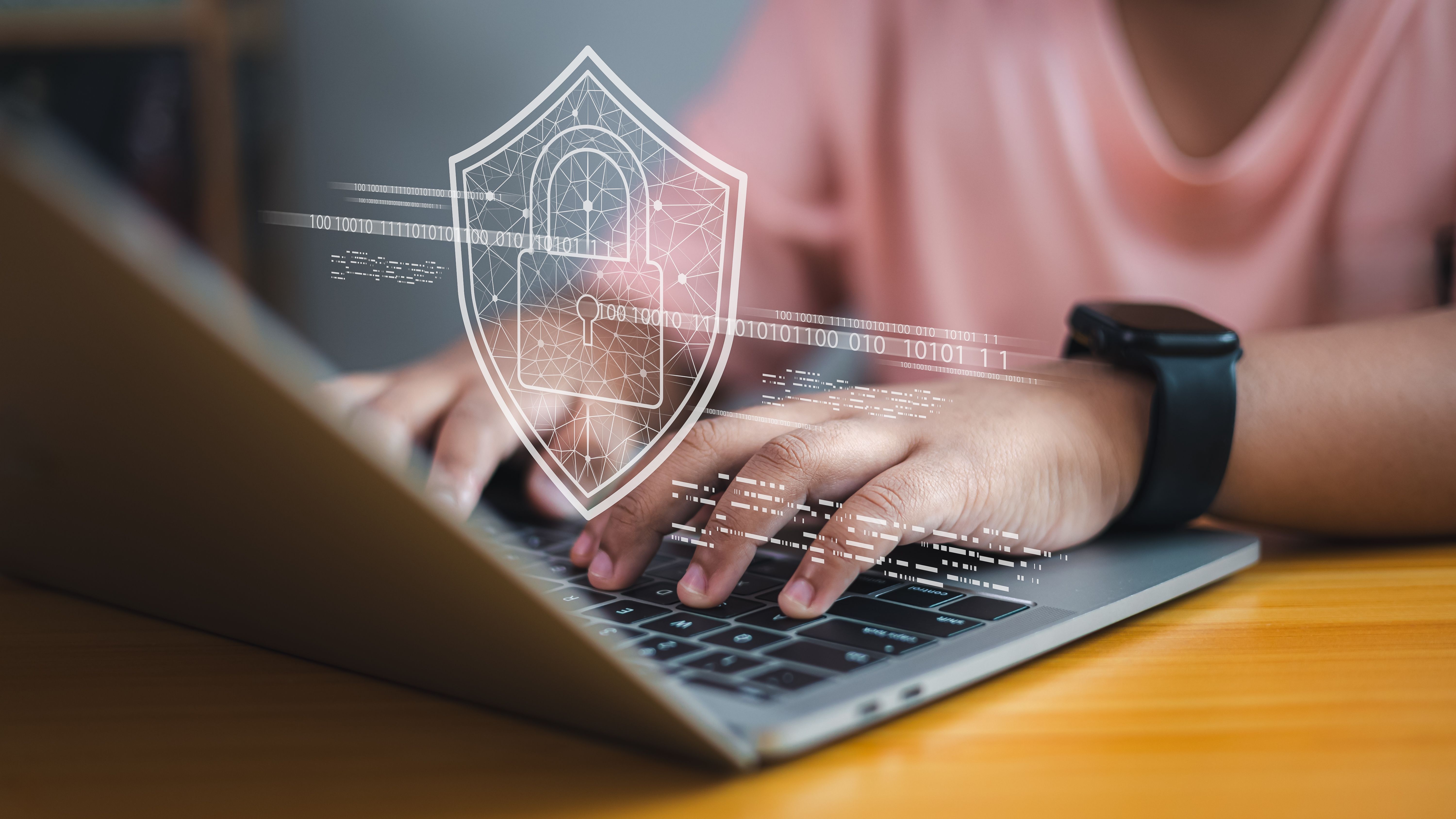
The adoption of technology has been pivotal in enhancing private event security. Advanced surveillance systems, contactless entry solutions, and real-time monitoring tools have become standard. These technologies not only streamline security processes but also provide a seamless experience for guests.
Furthermore, the use of mobile apps for ticketing and attendee tracking allows for better management of event capacity and contact tracing if necessary. Embracing these technological advancements is key for any event planner looking to maintain security and efficiency.
Training and Preparation: Key to Effective Security
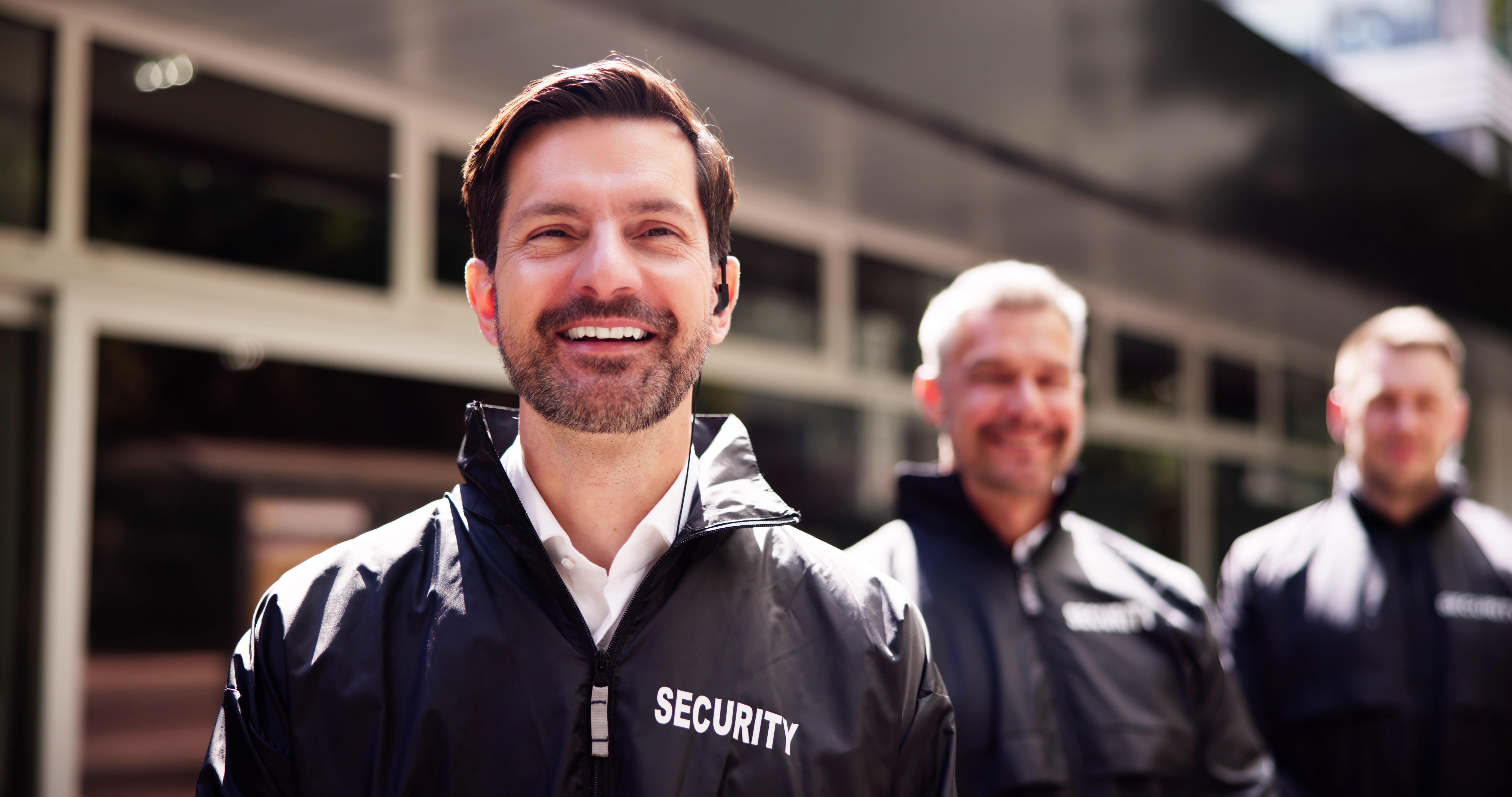
Effective private event security relies heavily on the training and preparation of security personnel. Comprehensive training programs should cover a range of scenarios, from crowd control to emergency response. This preparation ensures that security teams can handle any situation with confidence and professionalism.
Regular drills and updates on the latest security protocols are also essential. By keeping security staff informed and ready, event organizers can significantly reduce risks and enhance the safety of their events.
The Impact of Private Security on Guest Experience
While stringent security measures are necessary, it's important to balance them with a positive guest experience. Security should be unobtrusive yet effective, ensuring guests feel safe without feeling overwhelmed by security presence.
A well-coordinated security plan can enhance the overall atmosphere of an event, allowing attendees to focus on enjoying the occasion. Communication between security teams and event staff is vital to achieving this balance.
Conclusion: The Future of Event Security
The importance of private event security in the post-pandemic era cannot be overstated. As we move forward, the integration of health measures, technology, and well-trained security personnel will be crucial in hosting successful and safe events.
By understanding and adapting to these new trends, event organizers can ensure the safety and satisfaction of their guests, paving the way for future gatherings that are both secure and enjoyable.